Is a Dental Second Opinion Worth the Cost? A Dollar-and-Cents Analysis

Is paying for a dental second opinion worth the money? A dentist breaks down the expected-value math with real treatment cost ranges, the published disagreement-rate research (Bader & Shugars, NDPBRN, JADA principal-agent paper), and when independent review pays for itself.
Reviewed by the toothcheck Dental Team Independent dentist providing online second opinions.Reviewed by the toothcheck Dental Team Independent dentist providing online second opinions.
Is a Dental Second Opinion Worth the Cost? A Dollar-and-Cents Analysis
When your dentist recommends a $3,000 treatment plan and someone suggests you get a second opinion, a natural question follows: is it worth paying for another evaluation?When your dentist recommends a $3,000 treatment plan and someone suggests you get a second opinion, a natural question follows: is it worth paying for another evaluation?
The short answer is yes -- for the specific cases where second opinions are most valuable. But the math depends on your situation. This article walks through the actual numbers so you can decide for yourself.The short answer is yes -- for the specific cases where second opinions are most valuable. But the math depends on your situation. This article walks through the actual numbers so you can decide for yourself.
Quick Answer
A dental second opinion pays for itself when it prevents even a single unnecessary procedure. Published research on diagnostic variability in dentistry — summarised in our Dental Second Opinion Statistics analysis and anchored in Bader and Shugars' 1995 Journal of Public Health Dentistry review — puts inter-dentist treatment-plan variance at 30–50% for major procedures. The American Dental Association Code of Ethics under the principle of patient autonomy supports the patient's right to seek a second opinion as a primary obligation, and the expected value of a second opinion is strongly positive for any treatment plan over $1,000.
For treatment plans under $500, the math is less favourable. For plans over $2,000, a second opinion is one of the highest-return investments you can make.For treatment plans under $500, the math is less favourable. For plans over $2,000, a second opinion is one of the highest-return investments you can make.
The Cost of a Second Opinion
Online Second Opinion
- toothcheck X-ray and treatment plan review: $49 flat feetoothcheck X-ray and treatment plan review: $49 flat fee
- No additional charge based on complexity, number of teeth, or number of proceduresNo additional charge based on complexity, number of teeth, or number of procedures
- No additional costs: you use your existing X-raysNo additional costs: you use your existing X-rays
- No travel, no time off workNo travel, no time off work
Total out-of-pocket: $49.Total out-of-pocket: $49.
In-Person Second Opinion
- New patient exam: $50 to $150New patient exam: $50 to $150
- Full set of X-rays (often required): $100 to $250Full set of X-rays (often required): $100 to $250
- Travel costs, time off workTravel costs, time off work
Total out-of-pocket: typically $150 to $400.Total out-of-pocket: typically $150 to $400.
If a practice offers a "free" second opinion, the cost is not zero -- it shifts to the inherent bias of a reviewer who can profit from recommending treatment. See Independent Dental Second Opinion: Why It Matters for why free opinions often cost more in the long run.
The Cost of Unnecessary Dental Work
To determine whether a second opinion is worth it, you need to know what you are protecting yourself against. Here are typical US out-of-pocket costs for common procedures:To determine whether a second opinion is worth it, you need to know what you are protecting yourself against. Here are typical US out-of-pocket costs for common procedures:
| Procedure | Typical Cost (No Insurance) | Typical Patient Share (With Insurance) | |-----------|---------------------------|---------------------------------------| | Single filling | $150 - $400 | $50 - $200 | | Root canal (molar) | $1,000 - $1,800 | $300 - $800 | | Crown | $1,000 - $2,500 | $300 - $1,000 | | Root canal + crown | $2,000 - $4,000 | $600 - $1,800 | | Deep cleaning (full mouth) | $800 - $1,500 | $200 - $600 | | Single implant + crown | $4,000 - $6,500 | $1,000 - $2,500 | | Extraction + implant | $3,000 - $6,000+ | $1,000 - $3,000 | | Full-mouth reconstruction | $25,000 - $50,000+ | $5,000 - $20,000 || Procedure | Typical Cost (No Insurance) | Typical Patient Share (With Insurance) | |-----------|---------------------------|---------------------------------------| | Single filling | $150 - $400 | $50 - $200 | | Root canal (molar) | $1,000 - $1,800 | $300 - $800 | | Crown | $1,000 - $2,500 | $300 - $1,000 | | Root canal + crown | $2,000 - $4,000 | $600 - $1,800 | | Deep cleaning (full mouth) | $800 - $1,500 | $200 - $600 | | Single implant + crown | $4,000 - $6,500 | $1,000 - $2,500 | | Extraction + implant | $3,000 - $6,000+ | $1,000 - $3,000 | | Full-mouth reconstruction | $25,000 - $50,000+ | $5,000 - $20,000 |
These are the costs you absorb when a recommended procedure is unnecessary. Even with good insurance, your share of an unnecessary root canal and crown could be $1,000 to $2,000.These are the costs you absorb when a recommended procedure is unnecessary. Even with good insurance, your share of an unnecessary root canal and crown could be $1,000 to $2,000.
For specific procedure cost breakdowns, see our dental cost guides.
The Expected-Value Calculation
Expected value is a simple concept: multiply the probability of an outcome by its value to you.Expected value is a simple concept: multiply the probability of an outcome by its value to you.
Scenario: Your dentist recommends a root canal + crown totaling $3,000 (your share: $1,200).Scenario: Your dentist recommends a root canal + crown totaling $3,000 (your share: $1,200).
- Cost of a toothcheck online second opinion: $49 flat feeCost of a toothcheck online second opinion: $49 flat fee
- Probability the second opinion disagrees materially (based on Bader & Shugars 1993 JDR variance data, the 1995 JPHD review, and the Dental AI Council's 14-country survey): approximately 25–35%
- Potential savings if the procedure is unnecessary: $1,200Potential savings if the procedure is unnecessary: $1,200
Expected value = (30% × $1,200) − $49 = $360 − $49 = +$311 expected savingsExpected value = (30% × $1,200) − $49 = $360 − $49 = +$311 expected savings
This is a conservative estimate using the lower end of the disagreement range. At a 35% disagreement rate, the expected savings rise to $371.This is a conservative estimate using the lower end of the disagreement range. At a 35% disagreement rate, the expected savings rise to $371.
For smaller procedures, the numbers narrow:For smaller procedures, the numbers narrow:
- Filling costing $300 (your share: $100)Filling costing $300 (your share: $100)
- Second opinion: $49Second opinion: $49
- Expected savings at 20% disagreement rate: (20% × $100) − $49 = −$29Expected savings at 20% disagreement rate: (20% × $100) − $49 = −$29
The pure financial calculation is approximately break-even for small procedures and clearly positive for anything larger. The non-financial value — avoiding unnecessary drilling on a healthy tooth, preventing a cycle of repeat treatment — may still justify the cost even at break-even.The pure financial calculation is approximately break-even for small procedures and clearly positive for anything larger. The non-financial value — avoiding unnecessary drilling on a healthy tooth, preventing a cycle of repeat treatment — may still justify the cost even at break-even.
When the Numbers Change Dramatically
Multiple Procedures
If your treatment plan includes three crowns, the total is $6,000+ and your share may be $2,000+. The National Dental Practice-Based Research Network research on crown recommendations30509-8/abstract) has documented substantial variation in crown recommendations across thousands of US practitioners — exactly the kind of variability that compounds when multiple crowns are recommended at once. At a 30% disagreement rate, the expected savings from a single $49 second opinion are $551 net (and that is per crown).
Extraction + Implant
If a dentist recommends extraction followed by an implant, the total is $4,000 to $6,500. The American Association of Endodontists' clinical guidance explicitly favours natural-tooth preservation when the tooth is restorable. At a 30–40% chance that another dentist would recommend saving the tooth with a root canal and crown ($2,000–$4,000), the expected savings from a $49 second opinion before the extraction are substantial — and the tooth itself is saved.
Full-Mouth Reconstruction
This is where the math is most compelling. A $25,000+ treatment plan with a 50% disagreement rate (consistent with published variability for complex cases) means the expected value of a $49 second opinion is over $10,000.This is where the math is most compelling. A $25,000+ treatment plan with a 50% disagreement rate (consistent with published variability for complex cases) means the expected value of a $49 second opinion is over $10,000.
The Hidden Costs of Unnecessary Treatment
The financial calculation above only counts the direct cost of the procedure. There are additional costs that are harder to quantify but real — and they are exactly what the 2022 JADA paper on the principal-agent problem in dentistry00188-X/fulltext) and the 2025 BDJ paper on credence-good economics call out when they describe the downside of overtreatment.
Biological Cost
Every dental procedure removes tooth structure that cannot be replaced. A filling removes healthy enamel. A crown removes most of the tooth. A root canal removes the nerve. These are irreversible decisions. Once a tooth has been drilled for a crown, it will always need a crown. Once a root canal has been performed, the tooth is more brittle and may eventually need extraction.Every dental procedure removes tooth structure that cannot be replaced. A filling removes healthy enamel. A crown removes most of the tooth. A root canal removes the nerve. These are irreversible decisions. Once a tooth has been drilled for a crown, it will always need a crown. Once a root canal has been performed, the tooth is more brittle and may eventually need extraction.
Cascade Effect
Unnecessary treatment often leads to more treatment. A crown that was placed unnecessarily may develop decay at the margin, requiring replacement. A root canal on a tooth that did not need one may eventually fail, requiring retreatment or extraction. The cascade of unnecessary dental work is well documented in the dental health economics literature.Unnecessary treatment often leads to more treatment. A crown that was placed unnecessarily may develop decay at the margin, requiring replacement. A root canal on a tooth that did not need one may eventually fail, requiring retreatment or extraction. The cascade of unnecessary dental work is well documented in the dental health economics literature.
Time and Convenience
Root canals require multiple appointments. Crowns require temporary crowns and a return visit. Recovery from extractions takes days. The time cost of unnecessary procedures is real.Root canals require multiple appointments. Crowns require temporary crowns and a return visit. Recovery from extractions takes days. The time cost of unnecessary procedures is real.
Pain and Anxiety
Dental procedures carry genuine discomfort and, for many patients, significant anxiety. Undergoing an unnecessary procedure means bearing that cost for no clinical benefit.Dental procedures carry genuine discomfort and, for many patients, significant anxiety. Undergoing an unnecessary procedure means bearing that cost for no clinical benefit.
When a Second Opinion Has Negative or Break-Even Expected Value
For very small procedures and very low disagreement rates, a $49 second opinion may not clearly pay for itself on pure financial grounds:For very small procedures and very low disagreement rates, a $49 second opinion may not clearly pay for itself on pure financial grounds:
- Routine cleaning (prophy): Cost $80–200, disagreement rate near zero. Second opinion does not add value.Routine cleaning (prophy): Cost $80–200, disagreement rate near zero. Second opinion does not add value.
- Single small filling: Cost $150–300, low disagreement on simple findings. The financial case is roughly break-even.Single small filling: Cost $150–300, low disagreement on simple findings. The financial case is roughly break-even.
- Low-cost treatment from a trusted dentist you have seen for years: The trust premium may outweigh the statistical benefit.Low-cost treatment from a trusted dentist you have seen for years: The trust premium may outweigh the statistical benefit.
For all of these cases, the financial case is break-even or weak. The non-financial case (anxiety, biological considerations, avoiding unnecessary drilling) may still justify the $49 even when the pure math is borderline.For all of these cases, the financial case is break-even or weak. The non-financial case (anxiety, biological considerations, avoiding unnecessary drilling) may still justify the $49 even when the pure math is borderline.
When a Second Opinion Has Strong Positive Expected Value
A second opinion passes the cost-benefit test for:A second opinion passes the cost-benefit test for:
- Any treatment plan over $1,000: Your share of the cost makes even a modest disagreement rate financially favorable.Any treatment plan over $1,000: Your share of the cost makes even a modest disagreement rate financially favorable.
- Any irreversible procedure: Root canal, extraction, crown, implant. These cannot be undone.Any irreversible procedure: Root canal, extraction, crown, implant. These cannot be undone.
- Multiple procedures recommended simultaneously: The more procedures, the more likely one or more is unnecessary.Multiple procedures recommended simultaneously: The more procedures, the more likely one or more is unnecessary.
- Recommendations from a new dentist that differ significantly from a previous dentist: This pattern is strongly associated with overdiagnosis.Recommendations from a new dentist that differ significantly from a previous dentist: This pattern is strongly associated with overdiagnosis.
- Borderline diagnoses: When your dentist says you are "on the border" of needing treatment, a second opinion is particularly valuable.Borderline diagnoses: When your dentist says you are "on the border" of needing treatment, a second opinion is particularly valuable.
- Dental tourism plans: A pre-trip second opinion can save you from flying internationally for unnecessary work. See Dental Work in Mexico.
The Cost of NOT Getting a Second Opinion
This is the flip side of the calculation. What does it cost to skip the second opinion?This is the flip side of the calculation. What does it cost to skip the second opinion?
Scenario: You skip a $49 toothcheck review, proceed with the recommended treatment, and it turns out the root canal was unnecessary.Scenario: You skip a $49 toothcheck review, proceed with the recommended treatment, and it turns out the root canal was unnecessary.
Cost of skipping the second opinion:Cost of skipping the second opinion:
- Root canal: $700 – $1,800 (your share)Root canal: $700 – $1,800 (your share)
- Crown: $800 – $1,500 (your share)Crown: $800 – $1,500 (your share)
- Lost tooth structure: permanentLost tooth structure: permanent
- Future retreatment costs if the procedure fails: $1,000 – $3,000Future retreatment costs if the procedure fails: $1,000 – $3,000
- Potential extraction if things go wrong: $3,000 – $6,000 for replacementPotential extraction if things go wrong: $3,000 – $6,000 for replacement
Total cost of skipping: potentially several thousand dollars.Total cost of skipping: potentially several thousand dollars.
Cost of getting the second opinion: $49.Cost of getting the second opinion: $49.
This asymmetry — the cost of a false negative (unnecessary treatment) is orders of magnitude larger than the cost of a false positive ($49 lost if the second opinion agrees) — is the core reason second opinions are financially rational.This asymmetry — the cost of a false negative (unnecessary treatment) is orders of magnitude larger than the cost of a false positive ($49 lost if the second opinion agrees) — is the core reason second opinions are financially rational.
How to Maximize the Value of a Second Opinion
Bring the Right Materials
The value of a second opinion depends on the quality of the information you provide. An online review needs:The value of a second opinion depends on the quality of the information you provide. An online review needs:
- Good-quality X-rays (within the last 12 months)Good-quality X-rays (within the last 12 months)
- Your dentist's written treatment plan (itemized, with procedure codes if possible)Your dentist's written treatment plan (itemized, with procedure codes if possible)
- A description of your symptomsA description of your symptoms
See How to Get an Online Dental Second Opinion for what to prepare.
Ask the Right Questions
A good second opinion report should answer:A good second opinion report should answer:
1. Is the diagnosis supported by the X-rays? 2. Is the proposed treatment appropriate, or is there a less invasive alternative? 3. What is the urgency -- can this wait, or does it need prompt attention? 4. Are there red flags in the treatment plan? 5. What would you do if this were your family member?1. Is the diagnosis supported by the X-rays? 2. Is the proposed treatment appropriate, or is there a less invasive alternative? 3. What is the urgency -- can this wait, or does it need prompt attention? 4. Are there red flags in the treatment plan? 5. What would you do if this were your family member?
Use the Report Effectively
A written second opinion is a tool for having a better conversation with your treating dentist. It is not an accusation -- it is a request for clarification. A confident, ethical dentist will be happy to address the questions raised by an independent review.A written second opinion is a tool for having a better conversation with your treating dentist. It is not an accusation -- it is a request for clarification. A confident, ethical dentist will be happy to address the questions raised by an independent review.
What About Insurance Coverage for Second Opinions?
Insurance coverage for second opinions varies:Insurance coverage for second opinions varies:
- PPO plans: Some cover second opinions as a diagnostic benefit. Check your plan.PPO plans: Some cover second opinions as a diagnostic benefit. Check your plan.
- HMO/DMO plans: Typically do not cover out-of-network second opinions.HMO/DMO plans: Typically do not cover out-of-network second opinions.
- Medicare: Original Medicare does not cover routine dental, so second opinions are out-of-pocket.Medicare: Original Medicare does not cover routine dental, so second opinions are out-of-pocket.
- Online only services: Most insurance plans do not cover online-only second opinion services. Check with your insurer.Online only services: Most insurance plans do not cover online-only second opinion services. Check with your insurer.
Even when insurance does not cover the second opinion, the expected-value calculation above still applies -- the cost of the second opinion is typically a fraction of your share of any unnecessary procedure.Even when insurance does not cover the second opinion, the expected-value calculation above still applies -- the cost of the second opinion is typically a fraction of your share of any unnecessary procedure.
Real Cases We Have Reviewed
These are real anonymised toothcheck reviews. Patient identifying details have been removed and clinical specifics generalised, but the outcomes are unchanged.These are real anonymised toothcheck reviews. Patient identifying details have been removed and clinical specifics generalised, but the outcomes are unchanged.
Case 1: Recommended Root Canal Was Actually a Cavity (Filling, Not RCT)
A patient was told they needed a root canal on a posterior tooth. The quoted plan included root canal therapy plus a crown — a multi-thousand-dollar irreversible procedure.A patient was told they needed a root canal on a posterior tooth. The quoted plan included root canal therapy plus a crown — a multi-thousand-dollar irreversible procedure.
On independent review of the X-rays, the toothcheck reviewer found the decay had not reached the pulp. The clinical picture was a deep cavity that could be treated with a filling, not a root canal. The treating dentist accepted the revised recommendation. The patient had a filling placed instead of root canal plus crown.On independent review of the X-rays, the toothcheck reviewer found the decay had not reached the pulp. The clinical picture was a deep cavity that could be treated with a filling, not a root canal. The treating dentist accepted the revised recommendation. The patient had a filling placed instead of root canal plus crown.
Outcome: Patient avoided an unnecessary root canal and crown. The nerve was preserved. Future biological cost of repeated treatment was avoided. The $49 review cost prevented several thousand dollars of unnecessary treatment.Outcome: Patient avoided an unnecessary root canal and crown. The nerve was preserved. Future biological cost of repeated treatment was avoided. The $49 review cost prevented several thousand dollars of unnecessary treatment.
Case 2: Recommended Extraction Was Actually Savable With a Root Canal
A patient was told a tooth needed to be extracted and replaced with an implant. The total quoted cost was in the implant range (typically $4,000–$6,500 for extraction plus implant plus crown).A patient was told a tooth needed to be extracted and replaced with an implant. The total quoted cost was in the implant range (typically $4,000–$6,500 for extraction plus implant plus crown).
On independent review of the X-rays, the toothcheck reviewer found the tooth had adequate remaining structure and was a candidate for root canal therapy. The pulpal condition was treatable; extraction was not the only path. The treating dentist accepted the alternative plan, and the patient kept the natural tooth with root canal and crown — a less invasive treatment with no surgical placement and no 3–6 month osseointegration wait.On independent review of the X-rays, the toothcheck reviewer found the tooth had adequate remaining structure and was a candidate for root canal therapy. The pulpal condition was treatable; extraction was not the only path. The treating dentist accepted the alternative plan, and the patient kept the natural tooth with root canal and crown — a less invasive treatment with no surgical placement and no 3–6 month osseointegration wait.
Outcome: Patient kept their natural tooth. Surgical extraction and implant placement were avoided. The $49 review cost prevented the loss of a viable tooth.Outcome: Patient kept their natural tooth. Surgical extraction and implant placement were avoided. The $49 review cost prevented the loss of a viable tooth.
FAQ
Is a free second opinion worth it?Is a free second opinion worth it?
A free second opinion at another dental practice has value, but it comes with the same structural limitations as the first opinion -- the reviewer has a financial incentive to recommend treatment. If you choose this route, explicitly ask the reviewing dentist: "If I need treatment, will you perform it?" If yes, you are not getting an independent opinion.A free second opinion at another dental practice has value, but it comes with the same structural limitations as the first opinion -- the reviewer has a financial incentive to recommend treatment. If you choose this route, explicitly ask the reviewing dentist: "If I need treatment, will you perform it?" If yes, you are not getting an independent opinion.
Does my insurance company require a second opinion?Does my insurance company require a second opinion?
Some insurance plans require a second opinion before covering certain procedures, particularly extractions or implants. Check your plan documents.Some insurance plans require a second opinion before covering certain procedures, particularly extractions or implants. Check your plan documents.
Can I get an insurance pre-determination instead of a second opinion?Can I get an insurance pre-determination instead of a second opinion?
A pre-determination tells you what your insurance will pay, not whether the treatment is necessary. It is a financial tool, not a clinical one.A pre-determination tells you what your insurance will pay, not whether the treatment is necessary. It is a financial tool, not a clinical one.
What if my dentist pressures me to decide immediately?What if my dentist pressures me to decide immediately?
For non-emergency procedures, you always have time for a second opinion. Pressure to decide immediately is itself a red flag. See 12 Red Flags of Unnecessary Dental Work.
How long does an online second opinion take?How long does an online second opinion take?
Most services return a written report in under 72 hours. This is fast enough for any non-emergency situation.Most services return a written report in under 72 hours. This is fast enough for any non-emergency situation.
What if a dentist offers to match the second opinion?What if a dentist offers to match the second opinion?
Matching is not the same as being correct. If a second opinion suggests a less invasive alternative, the treating dentist should justify why their original recommendation is better -- not just accept the alternative.Matching is not the same as being correct. If a second opinion suggests a less invasive alternative, the treating dentist should justify why their original recommendation is better -- not just accept the alternative.
Is it worth getting a second opinion if I have no symptoms?Is it worth getting a second opinion if I have no symptoms?
An asymptomatic tooth that a dentist says needs a root canal or crown is a classic second-opinion scenario. Absence of symptoms is a strong signal that the recommendation may be aggressive.An asymptomatic tooth that a dentist says needs a root canal or crown is a classic second-opinion scenario. Absence of symptoms is a strong signal that the recommendation may be aggressive.
Final Advice
A dental second opinion is one of the few medical expenses that has a positive expected financial return. For any treatment plan over $1,000 or any irreversible procedure, the math strongly favours getting an independent review before committing.A dental second opinion is one of the few medical expenses that has a positive expected financial return. For any treatment plan over $1,000 or any irreversible procedure, the math strongly favours getting an independent review before committing.
And even when the numbers are close, the peace of mind of knowing you made the right decision — or the saved tooth structure from avoiding an unnecessary procedure — has its own value.And even when the numbers are close, the peace of mind of knowing you made the right decision — or the saved tooth structure from avoiding an unnecessary procedure — has its own value.
Upload your X-rays and treatment plan to toothcheck for an independent review from a licensed dentist, returned in under 72 hours. For a written treatment plan with CDT codes already in hand, our dental treatment plan review service checks each procedure, code, and fee line by line.
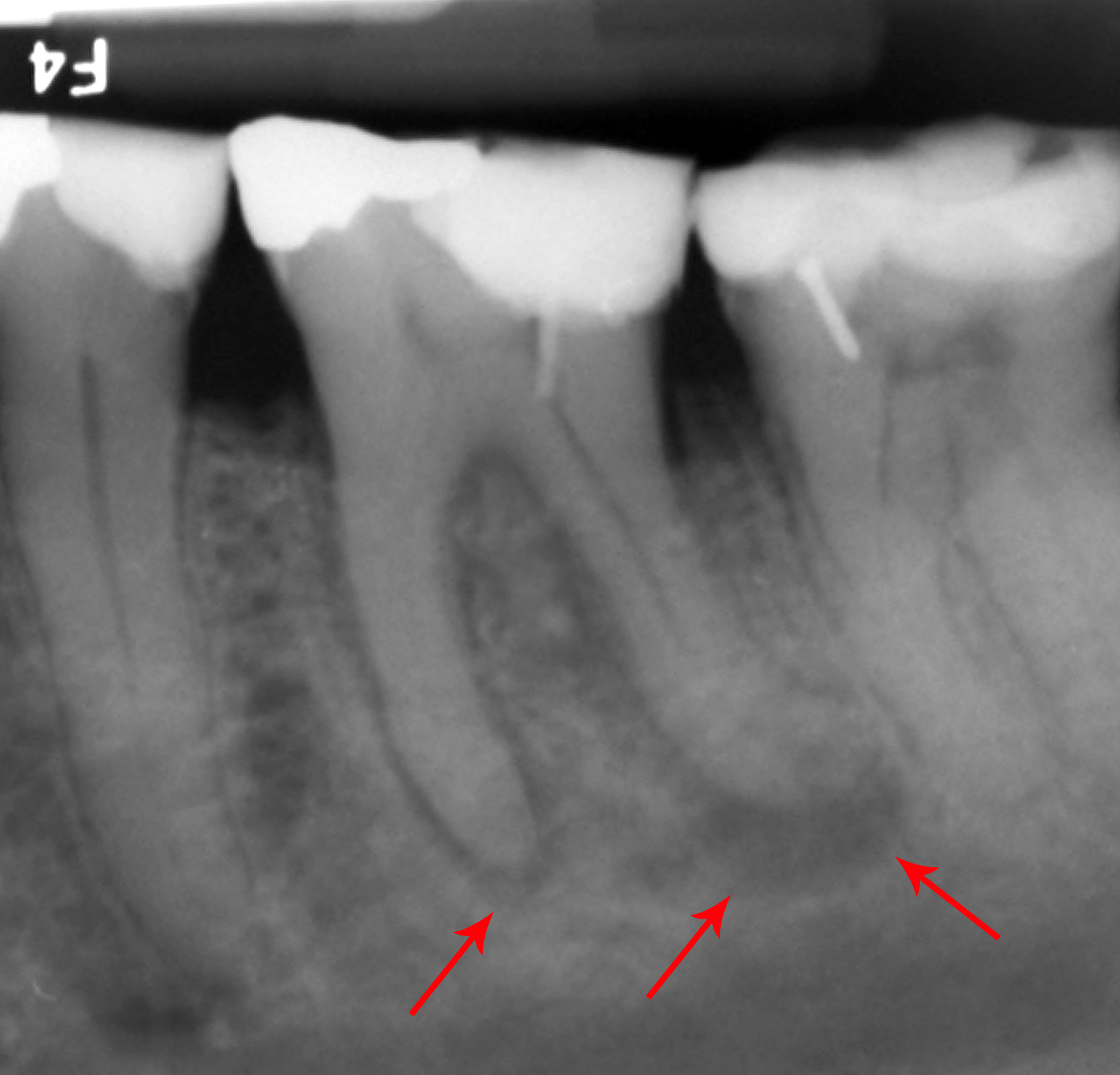
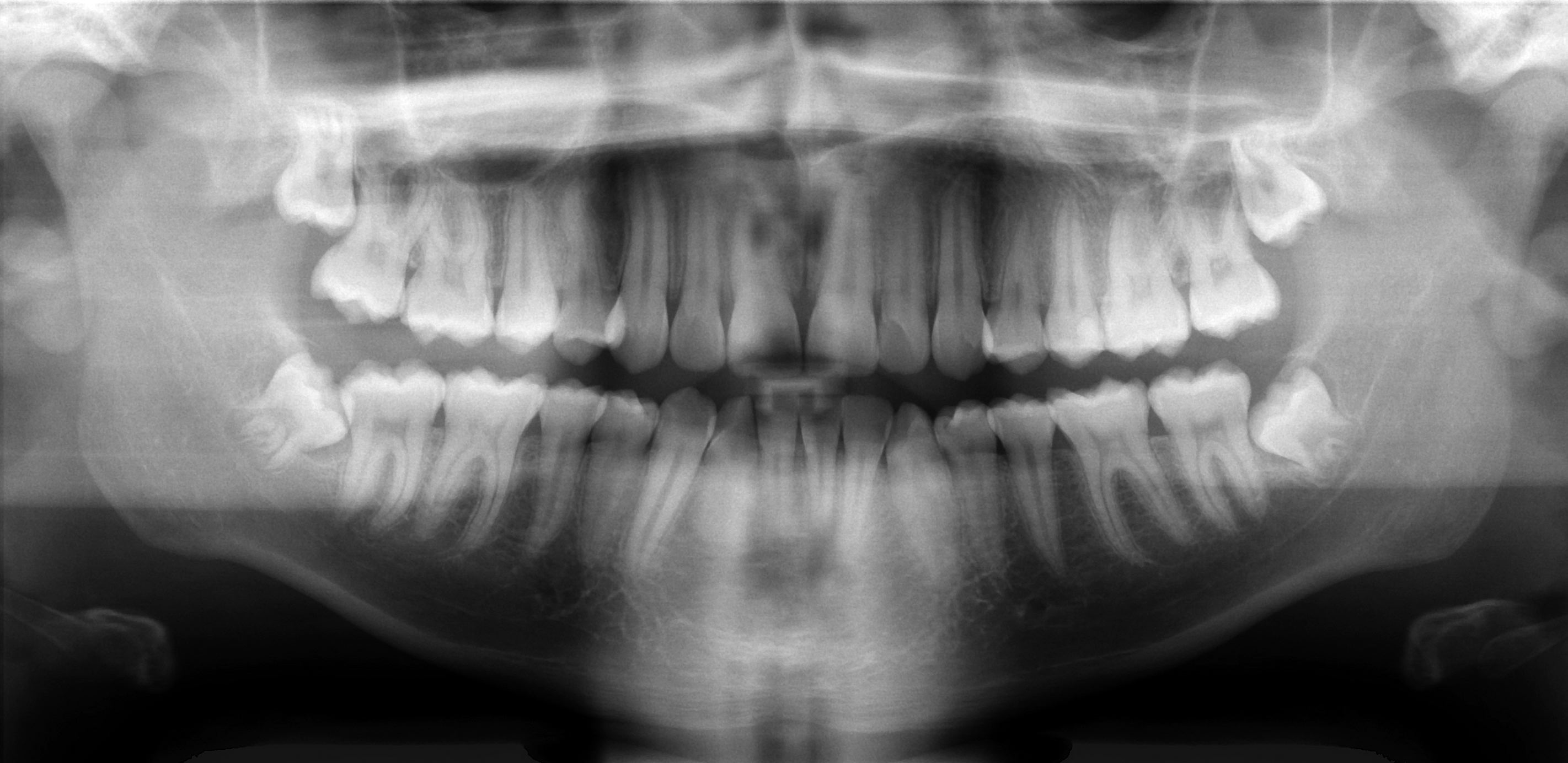
Image credits: Periapical abscess radiograph by Coronation Dental Specialty Group via Wikimedia Commons (CC BY-SA 3.0); panoramic radiograph by Coronation Dental Specialty Group via Wikimedia Commons (CC BY 3.0). Used as educational examples — they do not depict toothcheck patients.Image credits: Periapical abscess radiograph by Coronation Dental Specialty Group via Wikimedia Commons (CC BY-SA 3.0); panoramic radiograph by Coronation Dental Specialty Group via Wikimedia Commons (CC BY 3.0). Used as educational examples — they do not depict toothcheck patients.
Reviewed by the toothcheck Dental Team.Reviewed by the toothcheck Dental Team.
Last medically reviewed: May 2026Last medically reviewed: May 2026